Commercial Waste in Pimlico for organised business collections
Commercial waste in Pimlico needs a practical service that keeps everyday trading areas clear, helps separate recyclable material and reduces disruption when bins or stored items begin to build up. We provide a straightforward collection service for business premises, helping you move away from cluttered storage and toward regular disposal that suits the way your site operates. Whether the waste comes from an office, shop, shared workspace or small hospitality setting, the aim is the same: remove it efficiently and handle it in a way that suits the material.
Our work covers mixed commercial refuse, recyclable cardboard and paper, office clear-outs, unwanted fixtures and a range of non-hazardous items that businesses no longer need. For some customers the requirement is a one-off clearance after a refit or move; for others it is a repeat service that supports routine housekeeping. The important thing is to match the collection to the waste stream rather than treating every load the same, so disposal remains orderly and proportionate to the site.
For a clearer picture of the options, you can review the pricing and quotes information alongside the main waste removal pages. If you are ready to plan a collection, start with a brief description of what needs taking away and the volume involved. A simple enquiry is usually enough to help shape the most suitable arrangement.
Waste collections for offices, shops and shared premises
Commercial waste in Pimlico often comes from premises where space is limited and daily activity has to continue around the collection. Offices may need the removal of filing, packaging, obsolete equipment and general refuse; retail units may have display material, back-of-house waste and delivery packaging; shared premises may need a tidier approach that avoids blocking corridors or storage bays. A commercial collection service is most useful when it can be adapted to the actual items on site rather than forcing everything into one standard process.
Our office clearance and business waste removal pages set out the main service routes for workspaces and trading premises. They are useful where the job involves desks, chairs, filing, packaging or accumulated office materials that need careful sorting before disposal. If you are dealing with multiple item types, those pages help separate what is reusable, recyclable or simply to be removed as waste.
When planning a collection, it helps to think about access, loading points and the type of waste you want taken away. That does not need to become a long exercise; a short note on the categories involved, whether there are bulky items, and whether the collection is from a ground-floor area or upper storey is usually enough to begin. If you are comparing services, clear item descriptions help keep the arrangement accurate and efficient.
Bulky items and clear-outs from commercial properties
Businesses do not only produce bagged refuse. They also accumulate bulky items that no longer fit the working layout, such as cabinets, shelving, worn seating, counters, non-fixed furniture and miscellaneous items left behind after a change of use. That kind of material usually needs a different approach from day-to-day waste because it takes up volume quickly and may need dismantling or sorting before it can be removed. A proper commercial clearance handles those items as part of the overall load, rather than as an afterthought.
Where the waste includes loose furniture or fixtures, the relevant service pages for furniture clearance and furniture disposal explain the difference between removing unwanted items and ensuring they are directed toward the right disposal route. If you have items such as sofas, chairs or tables from a customer-facing area, the service can be planned around the actual contents of the premises so that the collection fits the job at hand.
What to separate before a collection
It is sensible to separate obvious recyclables, confidential material and anything that may need special treatment before the team arrives. That can include paperwork ready for shredding, electrical items that should not be mixed with general refuse, or waste that has to be kept apart for health and safety reasons. A tidy, grouped presentation makes the process smoother, but it does not need to be elaborate. The aim is simply to keep the load understandable so that the collection can proceed without unnecessary sorting on site.
Clearance work for stores, storage rooms and back areas

Commercial waste in Pimlico may include material that has built up in storage rooms, underused back offices, stock rooms or areas that have been repurposed over time. These spaces often collect mixed items: old display stands, packaging, broken equipment, redundant paperwork and general rubbish that has drifted away from the main trading floor. A focused clearance service helps reclaim the space without requiring the business to stop operating for longer than necessary.
The most relevant pages for this kind of work are the flat clearance, home clearance and house clearance options, which show how mixed contents can be handled when a premises contains many types of items. Although those pages are named for residential settings, the underlying approach to bulky, mixed loads is still useful where commercial storage contains a similar combination of objects. The important factor is matching the collection to the contents, not forcing the waste into a narrow category.
If you are preparing a room for clearance, a short inventory can be useful, especially where there are items that need to be kept aside. Try to note any materials that are fragile, unusually heavy or awkward to move, and keep special items separate from routine refuse. That is enough to support an accurate quotation request without creating extra work. Once the main groups are known, the collection can be planned around the actual load.
Handling recyclable materials and planned disposal routes
Commercial waste management is not only about taking things away; it is also about choosing a sensible route for different materials. Cardboard, paper, mixed plastics, furniture, metal items and certain appliances should not all be treated in the same way. Businesses benefit from a collection that respects those differences because it makes the disposal process more organised and can help reduce avoidable mixing of material. A clear separation at the point of collection makes the downstream handling easier to manage.
Where sustainability is a concern, the recycling and sustainability page gives a useful overview of how waste can be approached with resource recovery in mind. That can be particularly relevant for businesses with regular packaging waste or periodic office clear-outs. For items such as fridges or other appliances, the fridge and appliance removal page is the better fit because those items often need a more specific disposal route than ordinary mixed waste.
Types of material commonly encountered
- General commercial refuse from day-to-day operations
- Cardboard and packaging from deliveries
- Paper files and office paper waste
- Unwanted furniture and loose fixtures
- Selected appliances and equipment that are ready for disposal
Waste from refurbishments, fit-outs and changing layouts
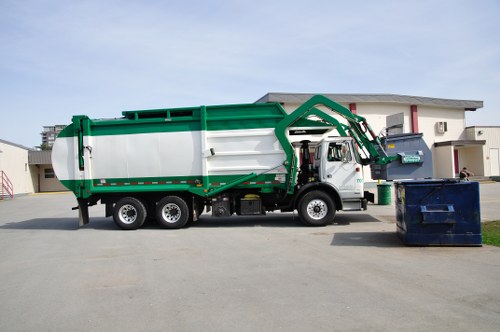
Commercial premises often generate waste when the layout changes, when a unit is refurbished or when old fixtures are being replaced. In those situations the waste may include fittings, packaging, broken display pieces, scrap materials and redundant items that have to be removed before the new arrangement can be put in place. A commercial waste collection should handle that variety with enough flexibility to deal with both the obvious rubbish and the heavier remnants of the previous layout.
The builders waste clearance page is relevant where the waste includes renovation debris and site leftovers. Although that service is not the same as a full building contract, it is useful for dealing with the aftermath of works, such as offcuts, packaging, broken panels and other non-hazardous waste produced during alterations. If your project also involves items from old shelving or counters, the furniture disposal page helps explain how those bulky pieces can be handled separately from rubble or packaging.
In a commercial setting, the best results come from identifying the waste categories early. That lets you decide what should be grouped together and what needs a distinct handling route. If the collection is part of a broader change to the premises, it is worth keeping the schedule aligned with the work already happening on site so that waste does not block movement or interfere with the next phase.
Special handling for items that need extra care
Some commercial waste requires more attention than standard mixed refuse. That may apply to confidential paperwork, bulky appliances, awkward items with sharp edges or material that should not be placed in general waste without consideration. Commercial collections are more effective when those categories are recognised at the outset, because the loading, transport and disposal route can then be chosen appropriately. This is especially helpful in premises where different departments create different kinds of waste.
For documents that need secure treatment, the confidential shredding page is the appropriate reference point. For items that may present a higher risk or need special assessment, the hazardous waste disposal page shows the correct service route. These are separate categories, and keeping them apart from ordinary commercial refuse protects the accuracy of the collection and avoids mixing materials that should be handled differently.
If you are unsure whether an item belongs with general waste, appliance removal, shredding or a more specialised disposal route, it is better to note it in the enquiry rather than making assumptions. A short list of questionable items is usually enough to guide the next step. That keeps the service practical while still respecting the limits of each waste type. Accuracy at the start saves time later.
About Pimlico
Pimlico is a compact district in central London on the north bank of the River Thames, lying within the City of Westminster and known for its ordered residential streets, garden squares and distinct Regency and later nineteenth-century terrace architecture. Much of the area was developed in the first half of the nineteenth century by Thomas Cubitt, whose planned grid of stucco-fronted streets gives Pimlico a coherent and recognisable appearance. The neighbourhood’s layout is unusually legible for central London: broad avenues, smaller residential streets and enclosed squares create a settled urban pattern that differs from the more irregular form of some nearby districts. Belgravia lies to the north and west, while the river forms the southern edge of the area’s identity, with the embankment and riverside routes linking it to Westminster and beyond. The district is also associated with Warwick Square, St George’s Square and Eccleston Square on its boundaries and edges, each contributing to the local character through trees, private gardens and formal architecture. Cultural life in Pimlico has long included galleries, civic buildings and educational institutions, while the presence of the Tate Britain at the eastern edge of the district adds a major public art landmark. Transport connections are strong, with Pimlico station on the Victoria line giving the area direct Underground access and helping to connect the neighbourhood to wider central London. The River Thames, nearby bridges and surrounding administrative landmarks make Pimlico both a lived-in residential quarter and a location with clear civic and architectural significance. Its scale, symmetry and riverside position distinguish it from adjacent parts of Westminster, while the combination of squares, terraces and institutional buildings gives the area a stable, recognisable identity that has remained central to its appeal.
Commercial collections planned around your premises
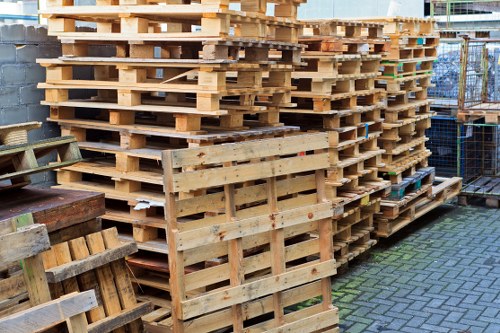
Commercial waste in Pimlico is easier to manage when the collection is designed around the actual shape of the premises. A shop floor, a back office and a storage room do not produce waste in the same way, so the service should reflect the load, the access and the kind of items involved. That is why we keep the approach practical: identify the main categories, decide what needs removing first, and then arrange the collection so the waste leaves without disrupting the rest of the day’s work.
If your load includes mixed business rubbish, furniture, office materials or appliance waste, the relevant service pages can help you separate the categories and choose a sensible route. You can also use the what can go in a skip page as a general reference point for understanding how common waste groups are usually treated, while the book online page is available when you want to move from planning into a straightforward request. Use the page that best matches the waste you already know about, and add the rest in your note if the load is mixed.
To request a quotation, send a clear outline of the items, the approximate volume and any access points or handling concerns. If you would prefer to speak in broader terms first, that is fine as well; the key is to give enough detail for the collection to be sensibly shaped. Request a quotation when you are ready and we will take it from there.