Modern Slavery Statement — Commercial Waste Pimlico
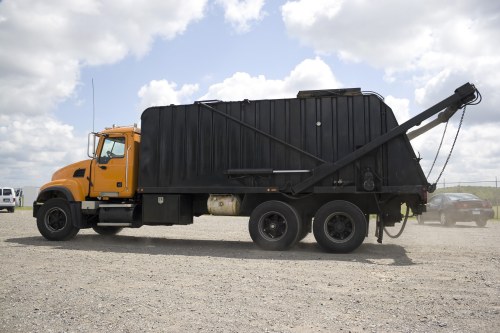 Commercial Waste Pimlico is committed to a zero-tolerance approach to modern slavery and human trafficking. This modern slavery statement sets out our policies, processes and actions taken to prevent forced labour across our operations and supply chain. We apply the highest standards to Pimlico commercial waste activities and expect all partners to comply with ethical labour requirements and health and safety norms at all times.
Our statement covers all employees, contractors and suppliers engaged in providing commercial waste services in Pimlico and surrounding areas. We define modern slavery to include forced labour, bonded labour, human trafficking and other exploitative practices. We will not tolerate any form of exploitation and we embed this principle in our recruitment, subcontracting and contract management procedures. Responsibility for implementation sits with senior management and is supported by operational teams across the service lifecycle.
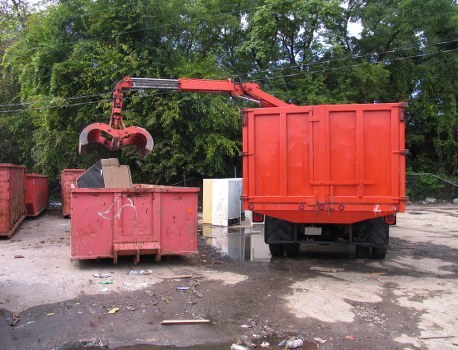 We operate a clear zero-tolerance policy for modern slavery across commercial waste services. All staff receive mandatory training and awareness sessions, which include how to identify indicators of exploitation and how to escalate concerns. Managers are trained to spot signs of exploitation and to act swiftly. Our approach aligns with legal obligations, industry standards and best practice in refuse collection, recycling and commercial waste management, and we publish internal guidance to support consistent action.
Supply Chain Due Diligence and Supplier Audits
We require all suppliers of Pimlico commercial waste solutions to adhere to our standards. Supplier due diligence includes pre-qualification checks, risk-based assessments, references and contractual clauses explicitly prohibiting modern slavery and requiring compliance with labour laws. We screen for risk factors such as use of temporary labour, subcontracting tiers and procurement of low-cost labour-intensive services.
- Supplier audits and on-site inspections to verify compliance with labour standards
- Verification of worker documentation, pay practices, working hours and health and safety provisions
- Regular performance reviews, mandatory corrective action plans and compliance reporting
 Audits are a central control in our approach. We conduct scheduled and unannounced audits of subcontractors, carriers and other partners. Where audits reveal non-compliance we require immediate corrective action with clear timescales, and will escalate sanctions up to contract termination for serious or persistent breaches. Our procurement and compliance teams track audit findings, remediation progress and repeat issues.
Supply chain mapping and risk assessment identify high-risk activities — such as manual sorting, vehicle cleaning, night-time collections and temporary labour supply. We prioritise audits and engagement where risks are greatest and support smaller suppliers to improve practices through capacity building. Strong contractual obligations specify supplier responsibilities, audit access rights and remediation expectations.
Reporting Channels, Remediation, Governance and Annual Review
We maintain multiple confidential reporting channels so workers, contractors, suppliers or members of the public can report concerns about modern slavery in commercial-waste Pimlico operations. Reports may be made through internal hotlines, anonymous reporting tools, or via designated safeguarding officers. All reports are investigated promptly, objectively and with regard to the safety of the person raising the concern.
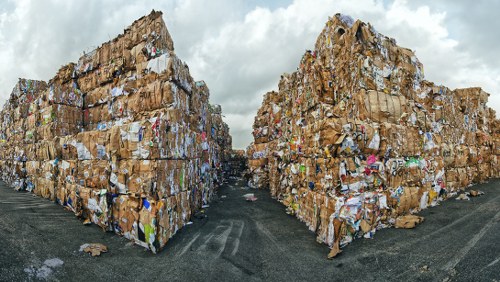 Remedial measures include immediate safety and welfare support for affected individuals, payment of owed wages where appropriate, changes to supply arrangements, and termination of contracts where suppliers fail to rectify issues. We cooperate with local authorities and law enforcement, and we engage with NGOs and victim support services to ensure appropriate care for survivors. Data from reports and audits inform targeted training and preventive measures.
 This policy is reviewed at least annually by the leadership team and the board, and updated to reflect new legislation, audit outcomes and sector developments. Annual review outputs include an updated modern slavery statement, summary of supplier audits, training completion rates, risk register updates and a remediation log. We publish our commitments internally and use measurable KPIs to drive continuous improvement. Commercial Waste Pimlico remains resolute: zero tolerance for modern slavery, active supplier audits, robust reporting channels and a formal annual review cycle underpin our commitment to ethical commercial waste management in Pimlico and beyond.
